
The main post-translational modifications are:
- Phosphorylation (Ser, Thr, or Tyr: important in the transduction of signals across membranes.
- The removal of the formyl-methionine or methionine by a specific enzyme (Met - aminopeptidase : MAP)is more than 50% of the proteins of the two cell types. The N-formyl the first methionine is removed in E. coli by a formylase.
- Cleavage of chain polypeptide (Ex. Insulin)
- Glycosylation
- Addition of lipids
- Formation of disulfide bridges or bridge covalent (elastin, collagen).
- Acetylation (≈100protéinescytoplasmiqueontunN-terminal acetylated), the reaction is catalyzed by N-α - acetyl transferase (example: histone acetylation).
- Hydroxylation (hydroxylation of proline and lysine)
- Biotinylation : Addition of biotin [vitB8] (coenzyme of some enzymes of carboxylation [transfer of CO2]).
-Elimination of sequences on cash at the protein level, this process is called splicing, protein and peptide eliminated is named intein.
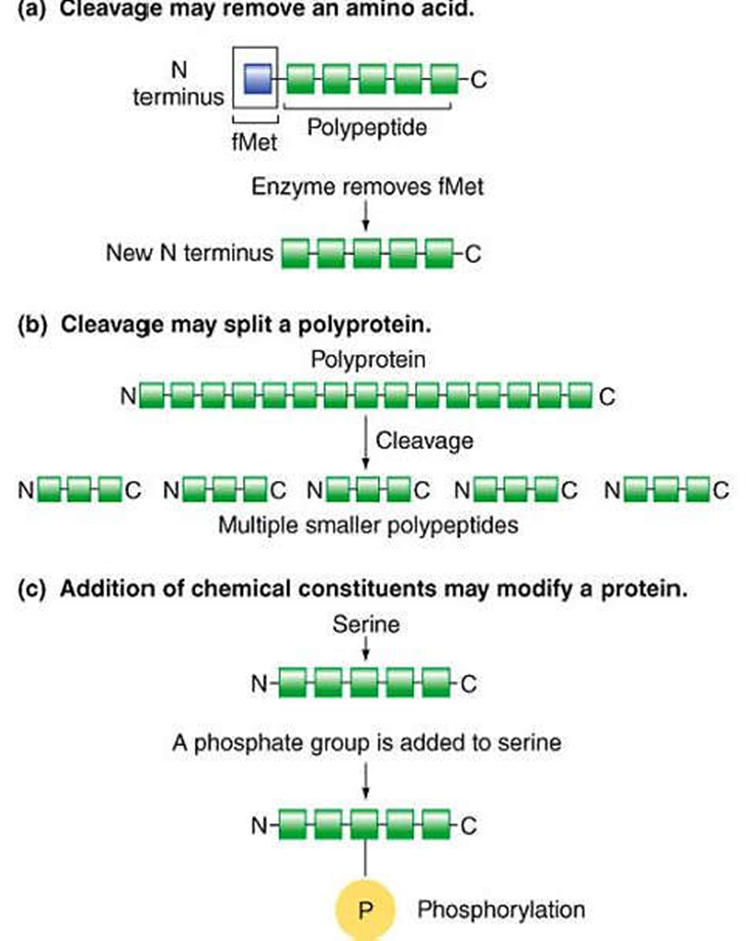
Figure 18 : The major post-translational modifications.